
Speaking & Workshops  ·  For nurse leaders and healthcare leaders

Every initiative lives or dies in the conversations that carry it.

Often, the missing piece isn’t courage. It’s craft.

Nurse leaders translate all day, carrying executive priorities to the frontline and frontline realities back up. When that translation breaks down, initiatives stall and people go quiet. The craft is knowing what each listener needs to hear first, and saying it in a way that moves them. These sessions build that skill, and the confidence to use it, so leaders’ priorities land and their people feel heard.

One skill, two directions

The escalation skill nurses already have, translated for leadership.

The same root skill works whether you’re talking to an executive or your own team, applied to the issue in front of you.

  • Know your listener
  • Say why it’s theirs
  • Lead with the ask
  • Tell one story
  • Open the room
  • Close the loop

Up the chain

Executives, boards, policymakers

Carry frontline expertise into the rooms where resources and policy are decided.

Where leaders apply it

  • Your voice as intelligenceWhat you see at the bedside is information the room doesn’t have. Leaders learn to deliver it to the person who can say yes, with an ask they can repeat back.

The result: asks that get acted on, and nursing’s voice in the decisions that shape care.
Down to the huddle

Frontline nurses and care teams

Trade directives for influence, engaging your team in work they help shape around a shared purpose.

Where leaders apply it

  • The conversations already on the calendarHuddles and meetings, initiatives that need to land on the unit, and the follow-through that makes speaking up worth it again.

The result: progress on what you’re measured on, from quality and safety to patient experience and retention.

Two ways to bring it in

Keynotes and workshops, virtual or in person

Keynote

Up to 60 min, large audiences

The foundation underneath the root skill, starting with one question: what is your voice doing in the room? Story-driven and interactive, with a musician’s ear, it leaves quiet and loud voices alike knowing what theirs is for.

Workshops

90 min to full day, or a series

Built around practice, not lecture. Leaders learn the root skill, then rehearse the real conversation on their own issue, up the chain and down to the point of care, and leave with a structure they can use on their next shift.

Virtual sessions are designed for the format from the start, not lifted from an in-person agenda. For health systems, the 30-day Huddle Sprint and 90-day Nurse Leader Communication Accelerator run as cohort programs. Details on request.

Proof in practice

A major regional health system called it resistance.

In one 90-minute session on a mandated initiative, 30 skeptical nurse leaders went from “we don’t have time” to “I wish I’d had this language weeks ago.”

The initiative didn’t change. The conversation did.

“Britt understands that you don’t create engagement (or fix retention) by adding one more thing to an overwhelmed manager’s plate. You help leaders leverage their expertise and get more out of the conversations they’re already having.”
Marla Weston, PhD, RN, FAANFormer CEO, American Nurses Association
“Britt was engaging and dynamic in her presentation. I truly enjoyed her perspective on the importance of nurse retention and ways to improve it as a nurse leader.”
Amanda Bowling, MSN, RN, CNML, Nursing House Supervisor, St. Jude Children’s Research Hospital

I help nurse leaders turn the conversations they’re already having into a reason their people stay.

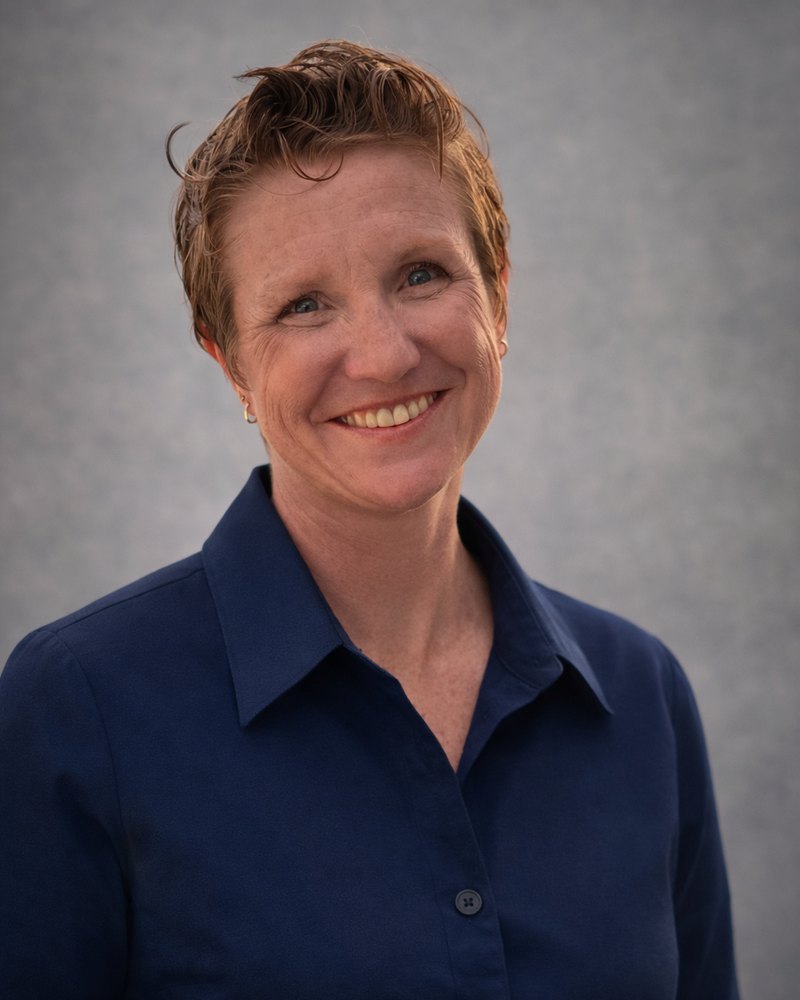
Britt DiNatale, RN

ER nurse in Level I trauma centers and former VP of Marketing at a broadcast technology company. That combination is the lens Britt DiNatale brings to nursing associations, health systems, and schools of nursing: leaders who know exactly what needs to change but have never been shown how to say it in a way that gets heard.

She has led national programs at the American Nurses Association, is published in Nurse Leader and American Nurse, serves on ANA’s National Workplace Violence Prevention Committee, and writes Still Showing Up, a newsletter for nurse leaders.

Where she speaks: health systems nationwide, regional and state nurse leader associations, national nursing conferences, global forums, healthcare innovation events, and nursing leadership podcasts.
